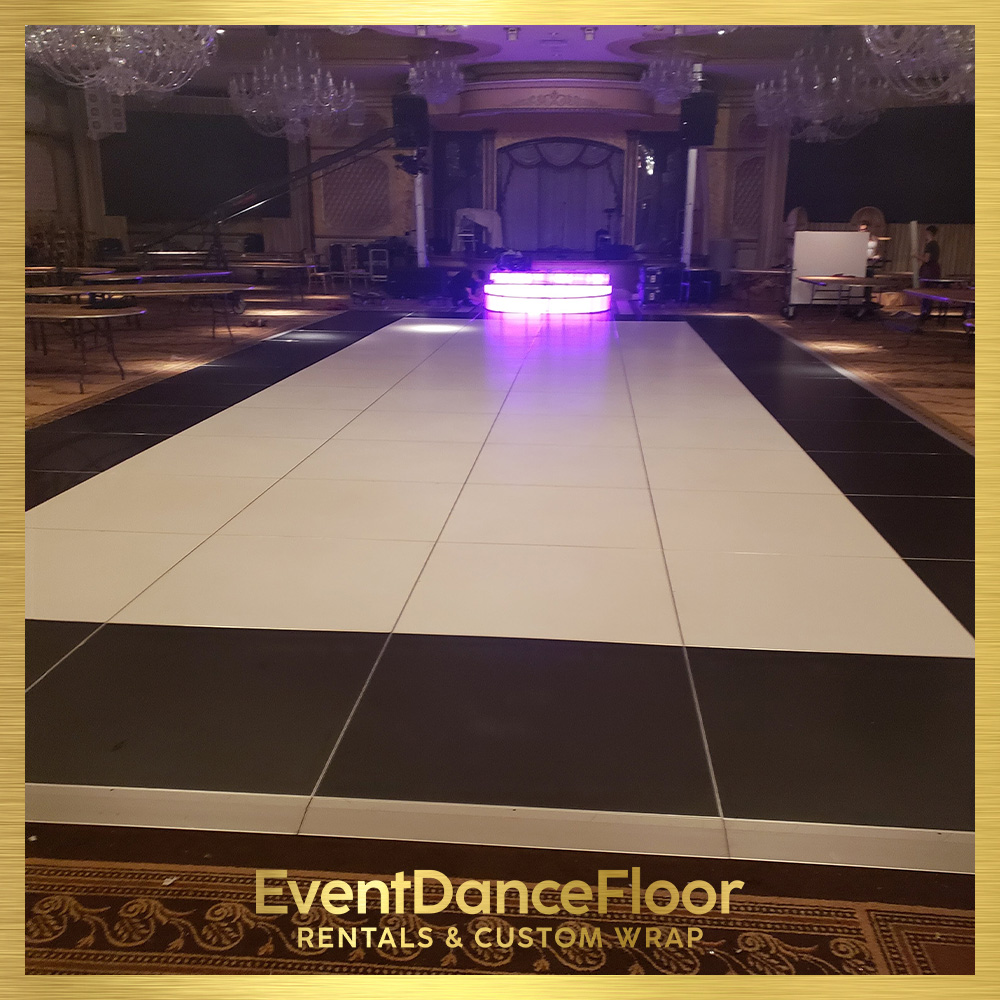
The Impact of Lighting on Dance Floor Experience

The Impact of Lighting on Dance Floor Experience

Discover how the impact of lighting on dance floor experience can enhance mood and energy, creating an unforgettable atmosphere for dancers. Explore various lighting techniques that transform any space into a vibrant party environment.

How does the color temperature of lighting influence dancers' energy levels on the dance floor?

The color temperature of lighting plays a significant role in influencing dancers' energy levels on the dance floor, as it can create an ambiance that either invigorates or relaxes participants. Warm light, typically ranging from 2700K to 3000K, tends to generate feelings of comfort and intimacy, which may lead dancers to engage more personally with their movements but could also result in a slower pace due to its cozy atmosphere. Conversely, cooler lights that fall within the range of 4000K to 6000K emit a bright and stimulating environment; this type of lighting is often associated with heightened alertness and increased motivation among performers. When illuminated by these cooler tones—often resembling daylight—dancers are likely to feel more energized and enthusiastic about expressing themselves through vigorous choreography. Additionally, dynamic changes in color temperatures during performances can evoke different emotional responses from both the audience and the dancers themselves; for example, transitioning from warm hues during softer sections into vibrant cool colors during high-energy sequences can enhance excitement levels significantly. Furthermore, studies have indicated that specific wavelengths present in certain types of artificial light can influence mood hormones such as serotonin while affecting overall performance quality through improved focus and stamina on stage or at social events like nightclubs. Consequently, selecting appropriate color temperatures when designing dance venues not only impacts visual aesthetics but crucially contributes to shaping how energetic those dancing will feel throughout their experience on the floor.

A stunning wedding dance floor can elevate the ambiance of your special day and create unforgettable memories for you and your guests. By exploring options for dance floor hire, you'll discover various styles and sizes that perfectly fit your venue and theme. To learn more about how to enhance your wedding celebration with a beautiful dance floor, visit how to enhance space usage on the dance floor

In what ways do dynamic lighting effects impact group cohesion and social interaction during a dance event?

Dynamic lighting effects play a crucial role in enhancing group cohesion and fostering social interaction during dance events by creating an immersive atmosphere that encourages participants to connect with both the music and each other. When vibrant colors, pulsating patterns, and synchronized light displays synchronize with rhythmic beats, they stimulate emotional responses among attendees, promoting feelings of euphoria and excitement. This captivating environment lowers inhibitions while encouraging expressive movement, leading individuals to feel more comfortable engaging in collective dancing or spontaneous interactions. Additionally, strategically placed lights can direct attention to certain areas within the venue—such as stages or DJ booths—creating focal points that naturally draw people together for shared experiences like cheering for performers or participating in coordinated dances. The use of dynamic lighting also enhances visibility on the dance floor; when everyone can see one another clearly amid shifting beams of color and shadowy silhouettes, it fosters an inclusive community vibe where connections flourish through mutual enjoyment of music and movement. Furthermore, unique visual elements such as strobe lights or laser shows add layers to social dynamics; these features not only elevate excitement but also create memorable moments that encourage groups to reminisce about their time spent together long after the event concludes. Overall, dynamic lighting effects significantly contribute to building a sense of belonging at dance events by transforming ordinary gatherings into vibrant celebrations filled with energy-driven camaraderie among all attendees.

What role does strobe lighting play in enhancing or hindering rhythm perception among dancers?

Strobe lighting plays a significant role in shaping the rhythm perception of dancers by creating an environment where visual stimuli can either enhance or disrupt their sense of timing and coordination. The intermittent flashes of light, which alternate between bright illumination and darkness, can have a mesmerizing effect that aligns with rhythmic beats, allowing dancers to synchronize their movements more effectively with music. This synchronization enhances the experience through heightened awareness and energy levels while also providing cues for dynamic changes in choreography. However, strobe lights may hinder performance as well; rapid flickering can lead to disorientation or confusion among performers who rely heavily on consistent visual feedback to maintain their spatial orientation and body control. Additionally, overexposure to intense strobing effects might cause sensory overload or fatigue, making it challenging for dancers to focus on complex patterns within the rhythm. Consequently, finding a balance is crucial—when used thoughtfully in conjunction with tempo variations and musical dynamics, strobe lighting becomes an effective tool that reinforces movement fluidity; yet if mismanaged or excessively employed without consideration for individual sensitivity thresholds regarding flashing lights could detract from overall dance performances by impairing concentration and disrupting physical coherence necessary for executing intricate routines seamlessly on beat.

How can ambient light settings affect individual expression and improvisation styles within contemporary dance performances?

Ambient light settings play a critical role in shaping individual expression and improvisation styles within contemporary dance performances, as they can significantly influence the mood, atmosphere, and emotional resonance of the piece. The interplay between lighting design and choreography creates an immersive experience that enhances dancers' ability to convey their artistic intentions while allowing for spontaneous movement exploration. For instance, warm hues may evoke feelings of intimacy or nostalgia, encouraging performers to delve into more personal narratives through their movements; conversely, cooler tones might foster a sense of detachment or abstraction, prompting a focus on form rather than emotion. Additionally, dynamic shifts in lighting intensity—such as sudden changes from bright illumination to deep shadows—can serve as catalysts for improvisational moments where dancers respond instinctively to these alterations by altering their physicality or rhythmical quality. By using techniques like spotlighting certain areas of the stage or creating pools of light amidst darker backgrounds, choreographers can guide audience attention while providing performers with distinct spatial cues that inspire creativity during live presentations. Furthermore, ambient soundscapes often complement these visual elements by setting tonal frameworks that further influence how individuals interpret music's relationship with movement; hence dancers may find themselves adapting not only to varying tempos but also responding physically to the ambiance generated by both auditory and visual stimuli present at any given moment in performance space. Ultimately, this intricate synergy between ambient light designs and dance allows artists greater freedom in expressing diverse interpretations grounded in personal style while navigating collective improvisations driven by real-time interactions among fellow cast members under ever-changing conditions within contemporary showcases.

What specific psychological effects do pulsating lights have on audience engagement during electronic music festivals?

Pulsating lights at electronic music festivals create a unique sensory experience that significantly enhances audience engagement through various psychological effects. The interplay of rhythmic light patterns and powerful musical beats can lead to an altered state of consciousness, often inducing feelings of euphoria and excitement among attendees. This synchronization between sound and light stimulates the brain's reward system, releasing dopamine which heightens overall enjoyment and fosters social bonding as festival-goers dance together in unison under vibrant displays. Moreover, these dynamic visual elements contribute to immersiveness by capturing attention and fostering a sense of presence in the moment; this encourages deeper emotional connections with both the performance and fellow participants. Additionally, pulsating lights can evoke specific moods or themes aligned with different tracks, prompting cathartic releases that resonate on personal levels for each individual while creating a collective atmosphere where shared experiences thrive. As colors shift rapidly from warm hues to cool tones alongside intense rhythms, they provoke physiological responses such as increased heart rates or adrenaline rushes that enhance physical movement—amplifying participation within the crowd dynamics. Overall, these multifaceted psychological influences not only elevate entertainment value but also strengthen communal ties during live performances at electronic music festivals through heightened engagement driven by stimulating visual artistry combined with auditory stimulation.

Frequently Asked Questions

The color temperature of lighting plays a significant role in shaping dancers' mood and performance on the dance floor, as it influences their psychological state and physical expressiveness. Warmer color temperatures, typically ranging from 2700K to 3000K, create an inviting and intimate atmosphere that can enhance feelings of comfort and relaxation, thereby fostering creativity and fluidity in movement. Conversely, cooler color temperatures above 5000K often evoke a sense of energy and alertness, motivating dancers to engage more vigorously with the rhythm while amplifying focus levels. The interplay between soft amber hues or bright white light can also affect perceptual responses; for instance, high-intensity daylight simulations may stimulate adrenaline production leading to heightened excitement but could induce anxiety if overly harsh. Ultimately, by carefully calibrating the chromatic values within these environments—ranging from subtle shifts in ambiance through dimming effects or colored gels—event coordinators can significantly impact not only individual dancer's performance quality but also group dynamics across various styles such as ballet or contemporary forms.

Dynamic lighting effects serve a crucial role in enhancing the immersive experience of dance events by synchronizing with the music tempo, thereby augmenting visual stimulation and emotional engagement. By utilizing techniques such as strobe lights, LED panels, and color washes that pulse in alignment with beats per minute (BPM), these effects create an atmospheric synergy between light and sound that captivates attendees. This synchronization fosters a heightened sense of rhythm perception among dancers while promoting collective energy on the dance floor through well-timed flashes or gradual fades that mirror musical crescendos and drops. Moreover, advanced technologies like DMX control allow for precision timing in light cues, facilitating seamless transitions between various genres—from electronic dance music to house—thus enriching both choreography execution and audience response during peak moments of intensity throughout the event.

LED stage lights, with their vibrant color spectrum and dynamic control capabilities, can significantly enhance audience engagement on a crowded dance floor compared to traditional incandescent or halogen lights. The rapid response time of LED fixtures allows for intricate light shows that sync with pulsating beats, creating an immersive atmosphere that captivates attendees. Their energy efficiency also enables longer operating hours without the risk of overheating, ensuring sustained visual stimulation throughout events. Additionally, programmable features such as strobes and fades contribute to a sense of rhythm and excitement, while advanced technologies like DMX control facilitate seamless integration into complex lighting setups. In contrast, traditional stage lights often lack the versatility needed for modern electronic music environments; they may produce harsh shadows or inconsistent brightness levels that detract from the overall experience. Consequently, utilizing LEDs fosters an engaging environment where kinetic movement is amplified by synchronized illumination patterns—elevating both emotional connection and collective euphoria among dancers in high-energy club settings.

The positioning of light sources significantly impacts visibility and safety for performers across various dance styles, including ballet, contemporary, hip-hop, and ballroom. In classical ballet, strategically placed downlights enhance the ethereal quality of movements while ensuring that dancers are illuminated from above to avoid shadows that could obscure their intricate footwork and precise formations. Conversely, in contemporary dance where fluidity and expression often dominate choreography, side lighting can create dramatic contrasts that highlight bodily lines but may also introduce hazards if not carefully managed; thus proper placement ensures both artistic intent is conveyed without compromising performer safety on stage. For high-energy genres like hip-hop or street dance, dynamic spotlights moving with the rhythm can amplify audience engagement yet require meticulous attention to prevent blinding glare during fast-paced routines or jumps. Additionally, in social dances such as ballroom where partner coordination is critical, ambient lighting must be balanced to maintain clear sightlines between partners while avoiding harsh reflections off polished floors which might impede movement stability. Overall, thoughtful consideration of luminaire angles—such as front-facing versus backlighting—and intensity levels plays a crucial role in fostering an optimal environment conducive to performance excellence while prioritizing dancer well-being throughout varied stylistic expressions.

Strobe lighting can significantly alter dancers' perception and movement rhythm by creating a disorienting visual environment that affects their cognitive processing and motor coordination. The intermittent bursts of light may lead to heightened sensory awareness, as the body attempts to adapt to the rapid shifts in illumination, which can result in an altered sense of time perception and spatial orientation. This phenomenon often induces a state of hyperarousal, amplifying adrenaline levels while simultaneously disrupting the fluidity of movement due to fragmented visual feedback. Consequently, dancers may experience challenges in maintaining synchronicity with musical beats or fellow performers, leading to variations in tempo sensitivity and rhythmic precision. Additionally, prolonged exposure to strobe effects could provoke psychological responses such as anxiety or exhilaration among individuals sensitive to flashing lights, ultimately influencing their overall performance dynamics on stage through modifications in both kinetic expression and interpretative engagement with choreography.
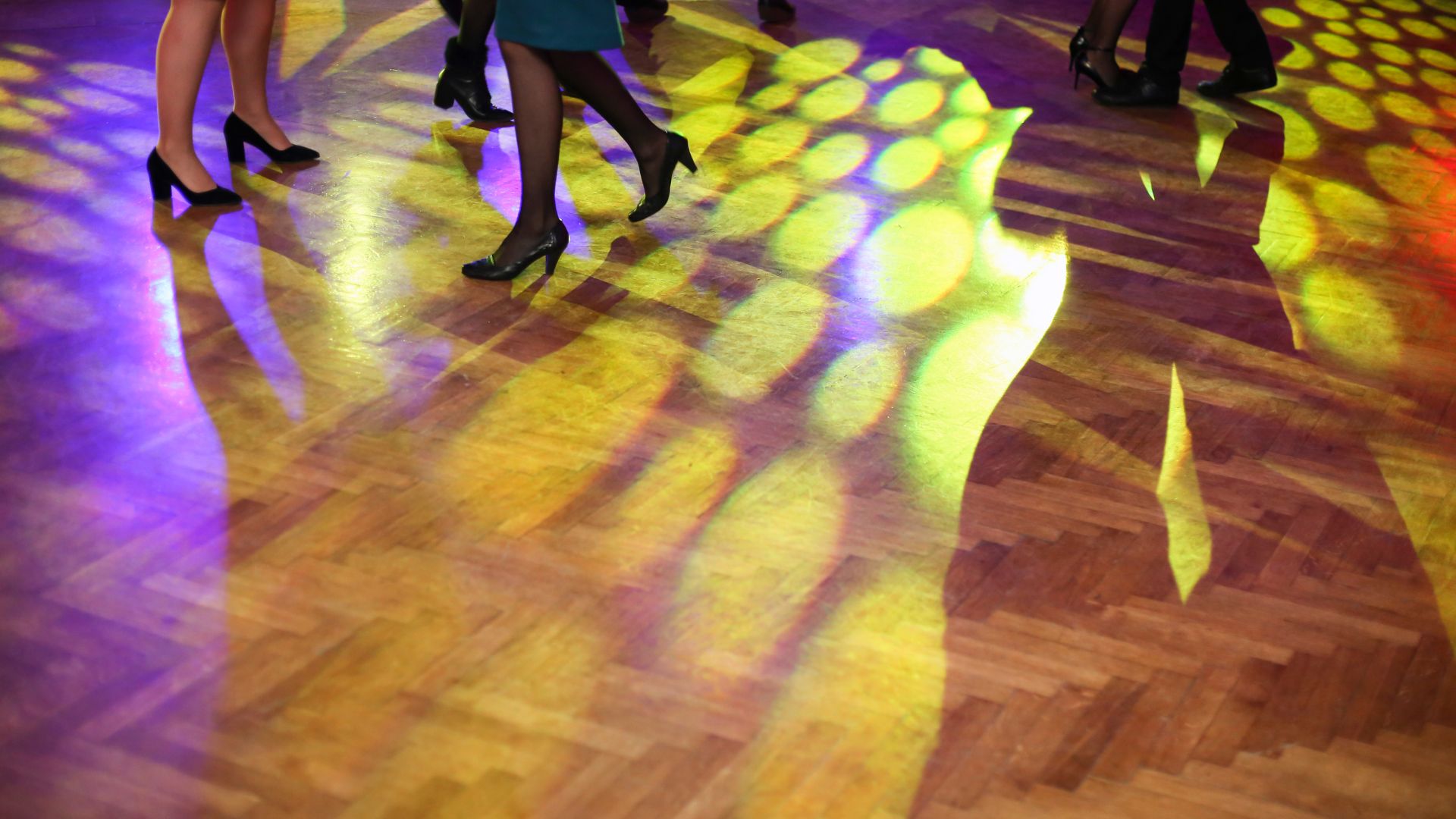
The Impact of Lighting on Dance Floor Experience

The Impact of Lighting on Dance Floor Experience

Contact Us

Event Dance Floor Rentals & Custom Wrap

  • Address: 177-18 104th Ave, Jamaica, NY 11433
  • Phone: (631) 894-9285
  • Email: eventdancefloorrentalscustomwrap@mail.com

© Copyright - All Rights Reserved